Help when your loved one is experiencing senior loneliness
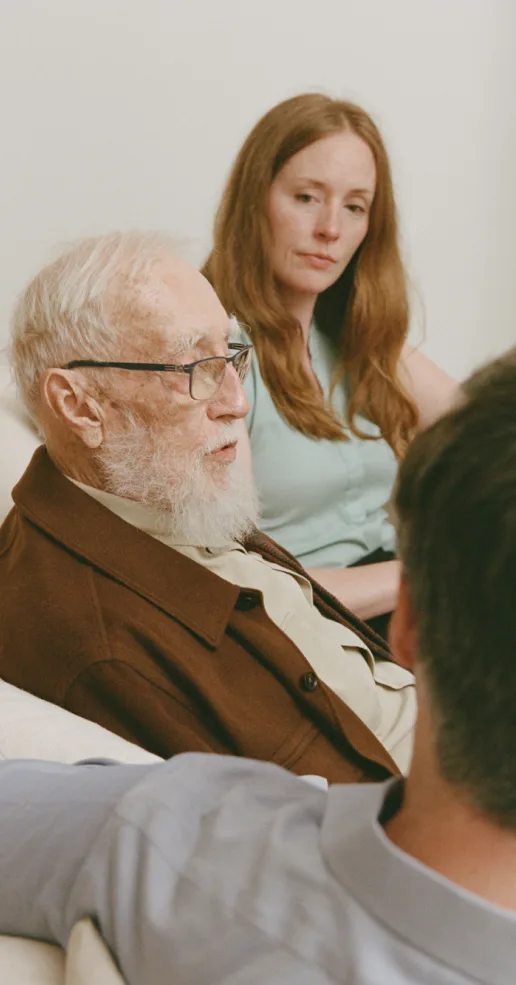
Getting to the root of senior loneliness and withdrawal
We don't just suggest activities and hope for the best. We actively help make connections happen, remove barriers, and provide ongoing support to maintain engagement.
Evaluate barriers to social connection We look at mobility challenges, hearing loss, transportation problems, or grief that might be keeping your loved one isolated
Assess past interests and preferences We learn about hobbies, activities, and types of social interaction your loved one used to enjoy
Screen for depression and anxiety We recognize signs of mental health issues that often go hand-in-hand with loneliness
Review technology comfort and options We assess whether video calls, online communities, or other technology could help expand social connections
Solve transportation problems We arrange reliable transportation to activities, appointments, and social events
Find and enroll in local activities We research senior centers, clubs, and interest groups, then help with enrollment and getting started
Provide technology training We help set up video calls with family and guide exploration of online communities and activities
Match with compatible companions We find companion services based on personality and shared interests, not just availability
Connect with mental health professionals We help find counselors and therapists who specialize in depression and anxiety in aging adults
Arrange support groups We find and facilitate connections to grief support, chronic illness groups, or other relevant support communities
Review medications We work with doctors to make sure medications aren't contributing to mood or social engagement problems
Incorporate social physical activities We find exercise classes, walking groups, or other physical activities that naturally create social opportunities
Plan meaningful visits We help families make their time together more engaging and enjoyable for everyone
Improve communication We coach family members on how to have better conversations about loneliness and depression
Create intergenerational activities We suggest activities that grandchildren and grandparents can enjoy together
Know when to get professional help We provide clear guidance on when isolation has become serious enough to need professional mental health support
“After Dad’s second fall, we were terrified. Alder's team looked at everything: his medications, his home, his strength.
They installed safety equipment, started him on balance exercises, and worked with his doctors. Six months later, he's steadier than he's been in years.”
.webp)
Here’s how we reduce fall risk and frailty
1 Schedule your free introductory call
Connect with Alder to discuss your concerns about falls or frailty. We'll help you understand what might be contributing to the problem.
2 Get a comprehensive assessment
Our experienced life care manager and physical therapist will evaluate all the factors that could be increasing fall risk and create a personalized prevention plan.
3 Receive ongoing support
We help implement safety changes, coordinate medical care, and provide continued guidance as your loved one's needs change.